
Start with your service and your real location
Local SEO helps people find businesses offering a nearby service. Name what you do, explain where you work and make contacting you easy. Accurate location details and examples of your work help people and search engines understand your business.
No trick guarantees first place. Results vary with the search, the customer’s location and the competition. Focus on helping people find the service they need.
Are keywords outdated?
The words your customers use still matter. Someone searching for website design in Newcastle needs to recognise that service and location on a relevant page. Use clear, natural language in your title, headings and explanation.
What does not help is repeating the same phrase everywhere or adding a hidden list of keywords. Google does not use the meta-keywords tag, and keyword stuffing is against its spam policies. Its systems can understand related words and meaning, so you do not need a separate page for every small variation.
What has changed with AI search?
Google's AI Overviews and AI Mode can show answers with links to supporting websites. They can run several related searches while working through a question. A useful page may help answer part of a wider question even when it does not repeat the person's exact wording.
Google's newer guidance puts particular weight on content that offers something useful beyond a familiar summary. A clear explanation from your own work can add more value than another generic list of tips. Your page still needs to be discoverable, indexed and eligible to show a search snippet. Inclusion is never guaranteed.
Show what your work actually involves
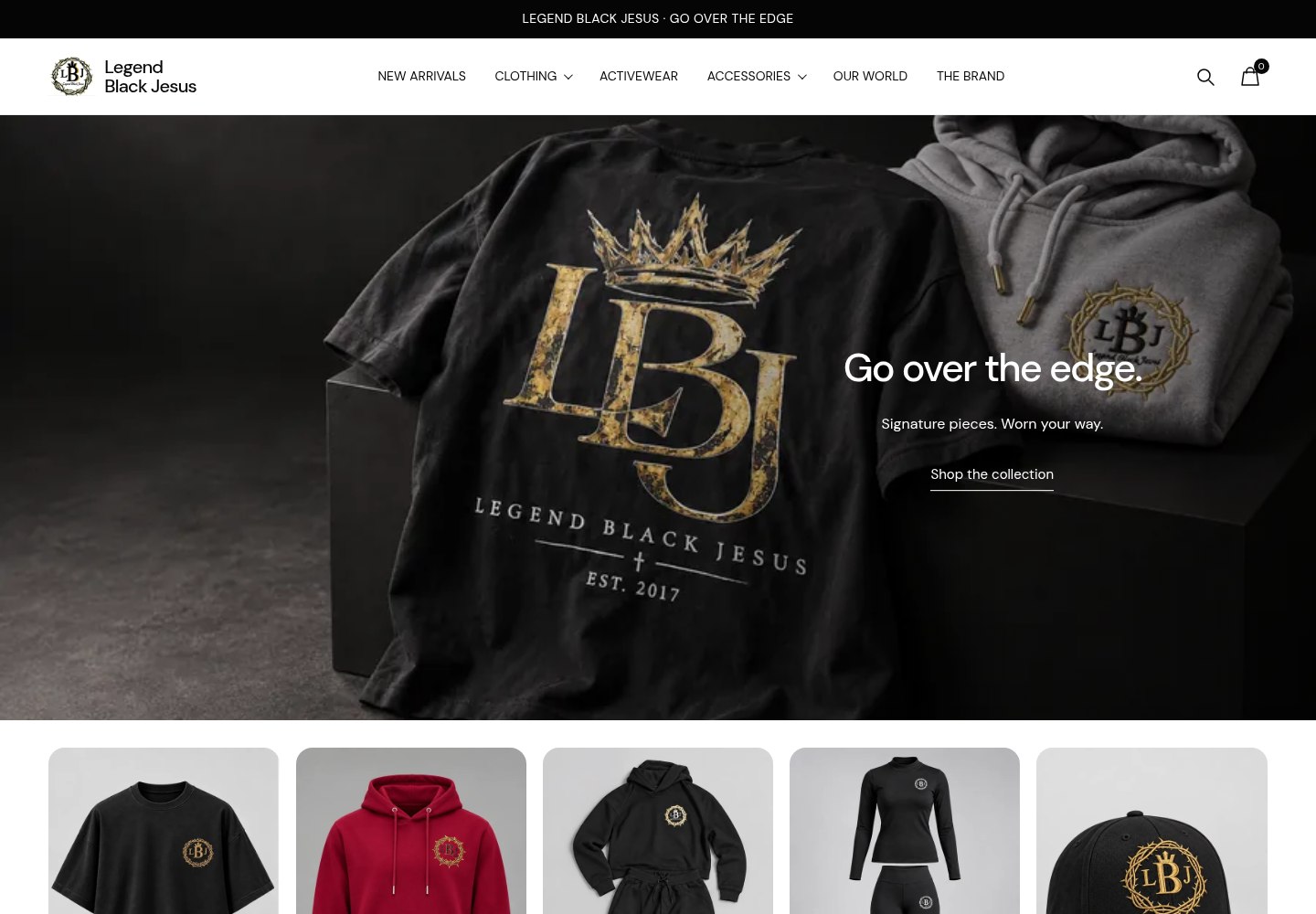
Instead of only writing “professional websites”, show a real website and explain what it lets a visitor do. On Legend Black Jesus, the product browsing and WhatsApp order path are useful things to explain. On Snesenzo Security Group, a visitor's route from services to a quote enquiry is a different example.
A project page can name the business, show an accurate screenshot and describe the visible features. It should not claim more sales, leads or traffic unless you have measured evidence. Genuine customer feedback also helps people assess your work; keep its wording and attribution accurate.
Answer the questions people ask before they buy
Use the questions customers ask you: What does the quote include? Can I order on WhatsApp? Who updates the site? What do you need from me? Answering these helps someone decide whether to get in touch.
Use those questions to improve your service pages and choose article topics. Keep each page useful on its own, then link to relevant services and examples of work. Avoid publishing copies of the same page with different town names.
Google visibility in Newcastle, Osizweni and Madadeni
If your business is eligible for a Google Business Profile, verify it and keep the category, contact details, hours and services correct. Use the same business identity on your website. Add genuine photographs and ask customers for honest reviews of completed work.
Local results mainly depend on relevance, distance and prominence. A search in Osizweni or Madadeni can produce different results from the same search in central Newcastle because the searcher’s location matters. Explain the areas you genuinely serve, but only publish a branch address or create another business profile when it represents a real eligible location. Google says there is no way to request or pay for a better local ranking.
Match the page to the service someone is searching for
A person searching for “toner in Newcastle KZN” needs printer supplies, not a general company introduction. A useful toner page explains how to send the printer model, cartridge code and required colour. A signage page should show suitable examples and explain measurements, artwork and how to get a quote.
If you genuinely take printing enquiries from Madadeni or signage enquiries from Osizweni, say so in readable text and explain what the customer should send. These details belong on the relevant service page or guide. Copying one article for every town adds little value; a shared page can explain regional enquiries while keeping the business location accurate.
Review the searches that bring people to your site in Search Console. Improve the relevant page when real enquiries reveal a missing answer, such as the information needed for T-shirt sizes or whether collection can be arranged. Use the results to decide what to improve next.
Help Google reach the useful pages
Important information should be actual readable text, not only words inside a poster or screenshot. Give each main page a descriptive title. Make the articles and work pages reachable through normal links, and keep those links working.
A sitemap helps Google discover URLs. Check for accidental indexing blocks, broken pages and confusing duplicate addresses. On phones, keep the layout readable and the main action easy to use. Article structured data can describe the author, title and date. It helps Google understand the article; rankings still depend on relevance and other factors.
Use the newer Search Console tools
Google's 2026 Search Console tools include a Search generative AI setting. Check that your property includes its links and content in those features; inclusion is the default. This makes the site eligible, but does not move it ahead of other businesses.
There is also a Generative AI performance report showing impressions from AI Overviews and AI Mode. It may not appear until the site receives enough impressions. Read that alongside ordinary search performance, and watch the enquiries that matter to your business.
Spend time on useful work, not search hacks
Google says you do not need special AI text files, forced tiny content chunks or special AI schema to appear in its generative search features. Avoid fake reviews, bought mentions and articles that exist only to repeat search phrases.
Start with service information, examples of your work and answers to customer questions. From Newcastle and Pretoria, we help businesses improve their content and search basics. Tell us which services and areas matter to your business.
Sources and further reading
References checked on 12 October 2026.
- Google Search Central: Optimizing your website for generative AI features
- Google Search Central: Creating helpful, reliable, people-first content
- Google Search Central: SEO Starter Guide
- Google Business Profile: Tips to improve your local ranking
- Google Search Console: Search generative AI control
- Google Search Console: Generative AI performance report
- Google Search Central: Article structured data
Planning a website?
Tell us about your business and the website you need. We’ll discuss the pages, features and quote.